Cedar Siding Stain Job Done Right in Ringwood NJ
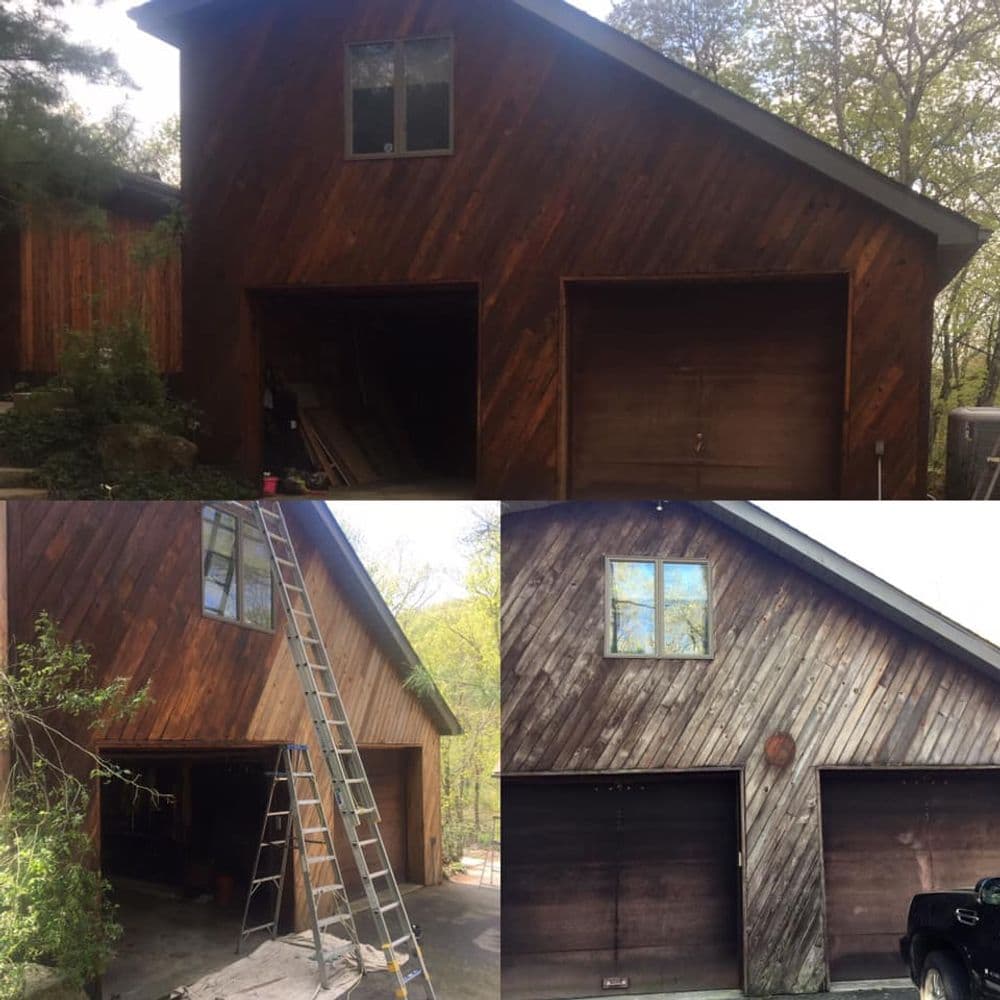
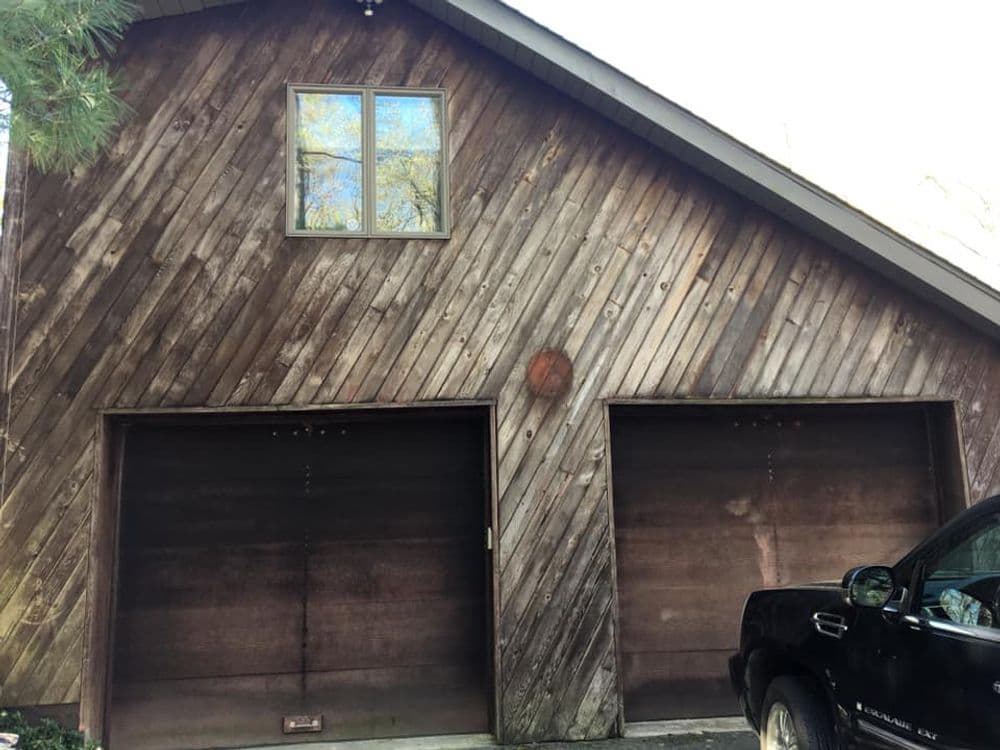
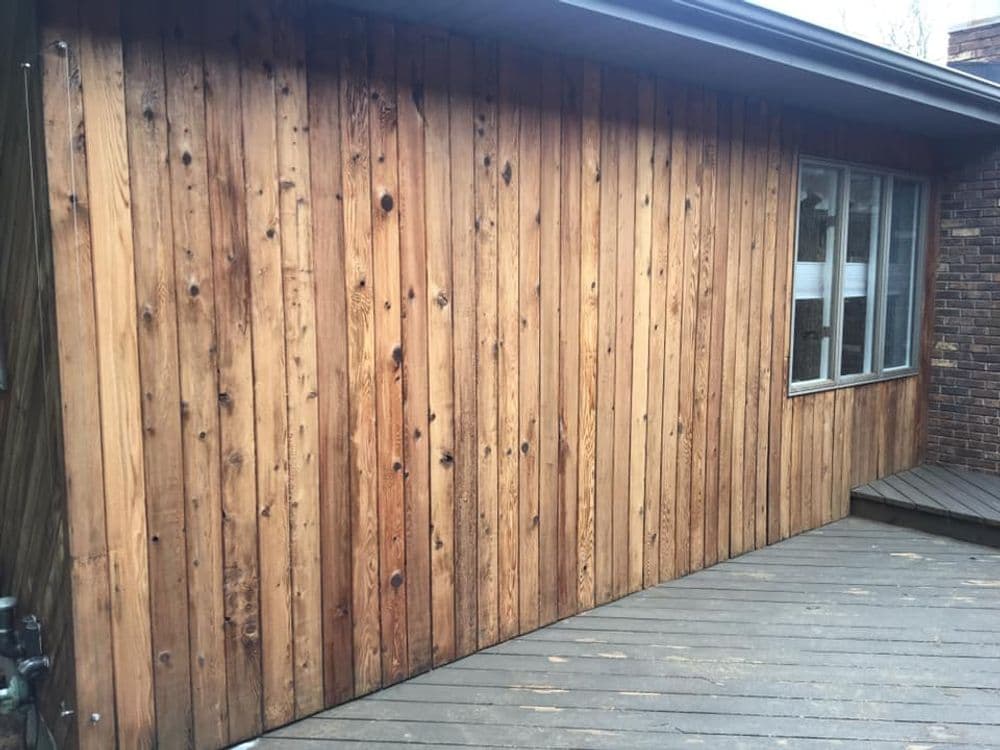
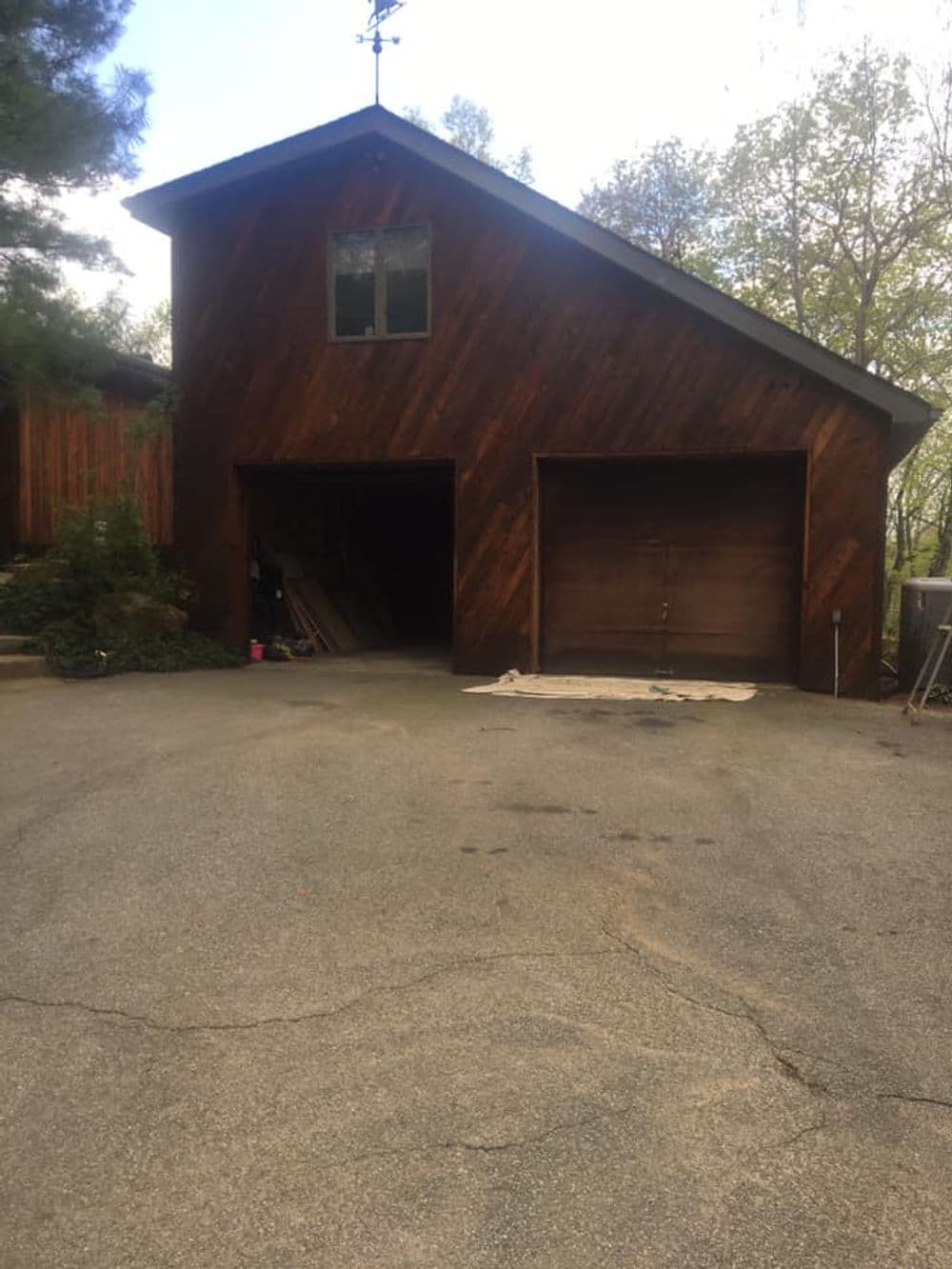
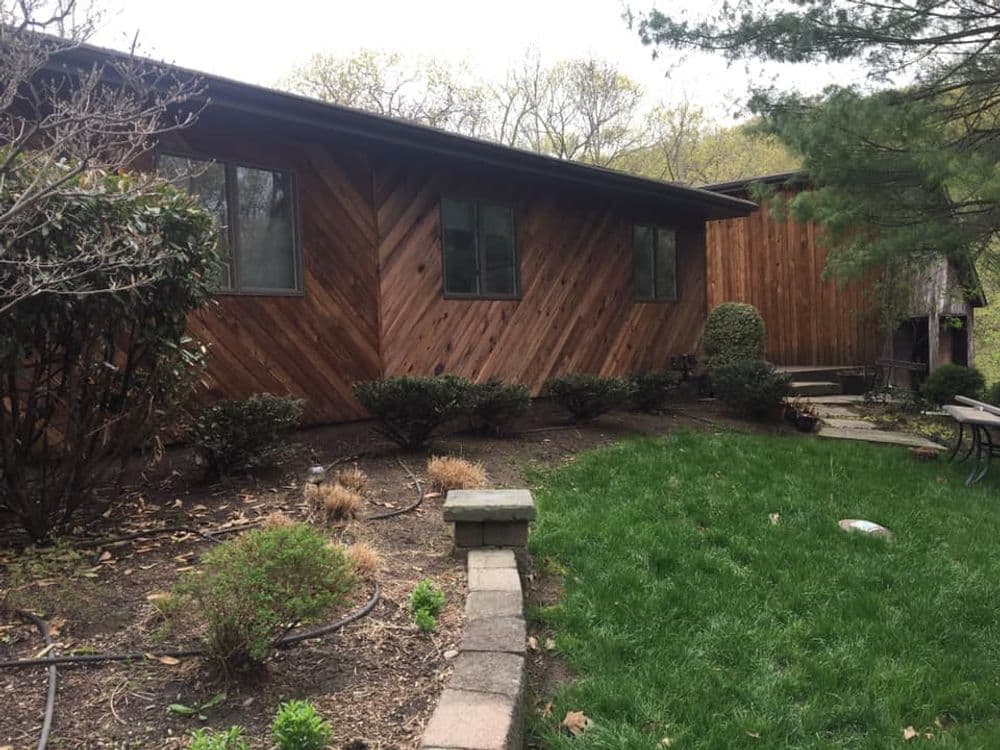
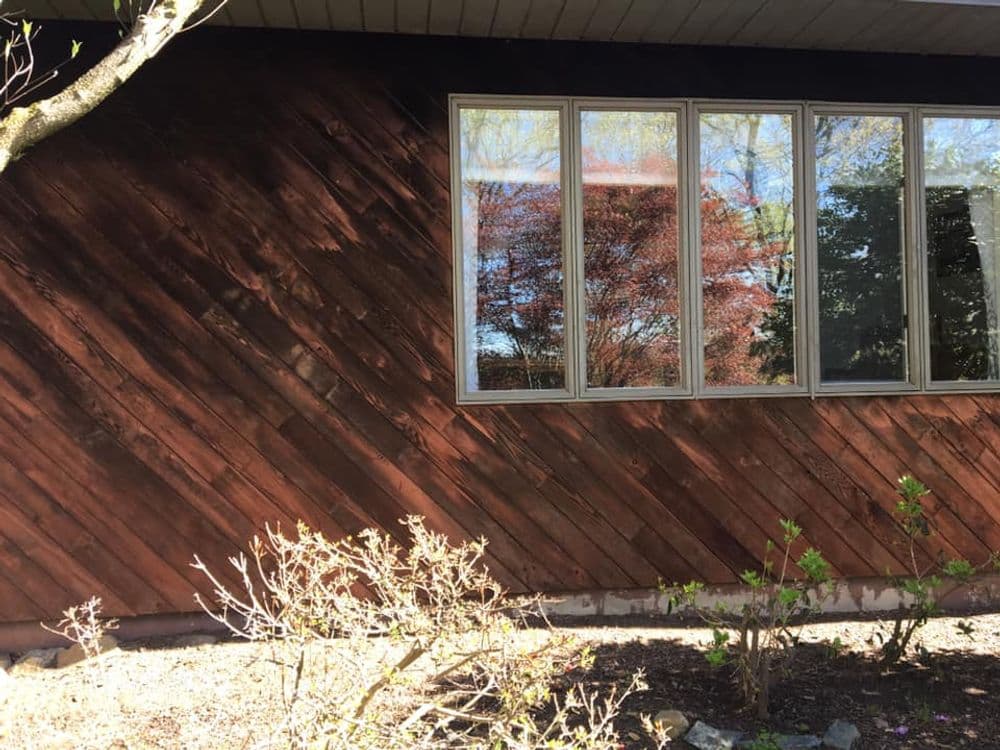
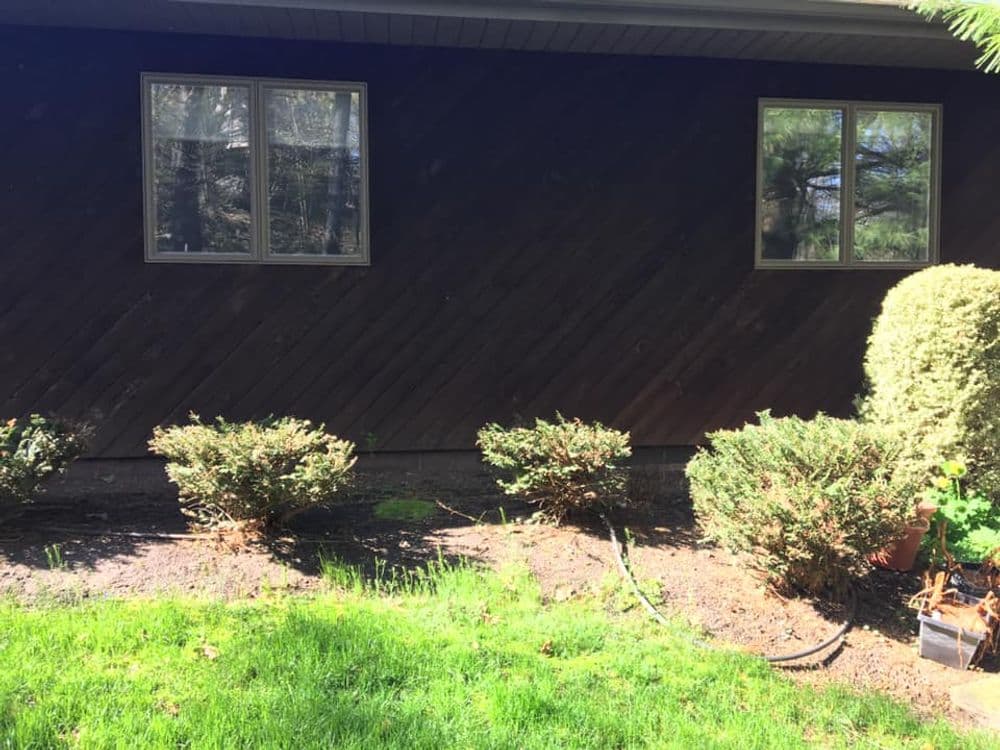
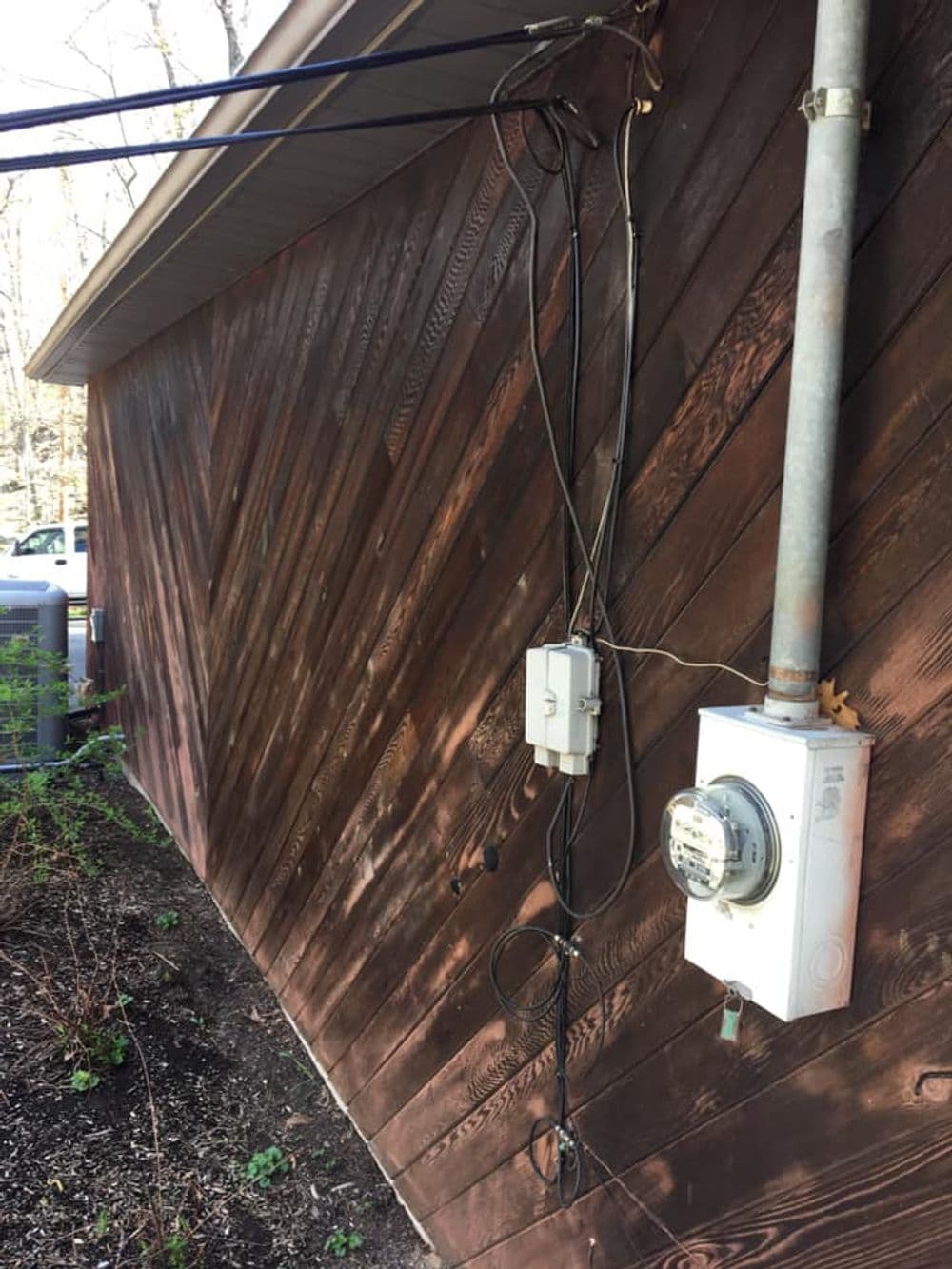
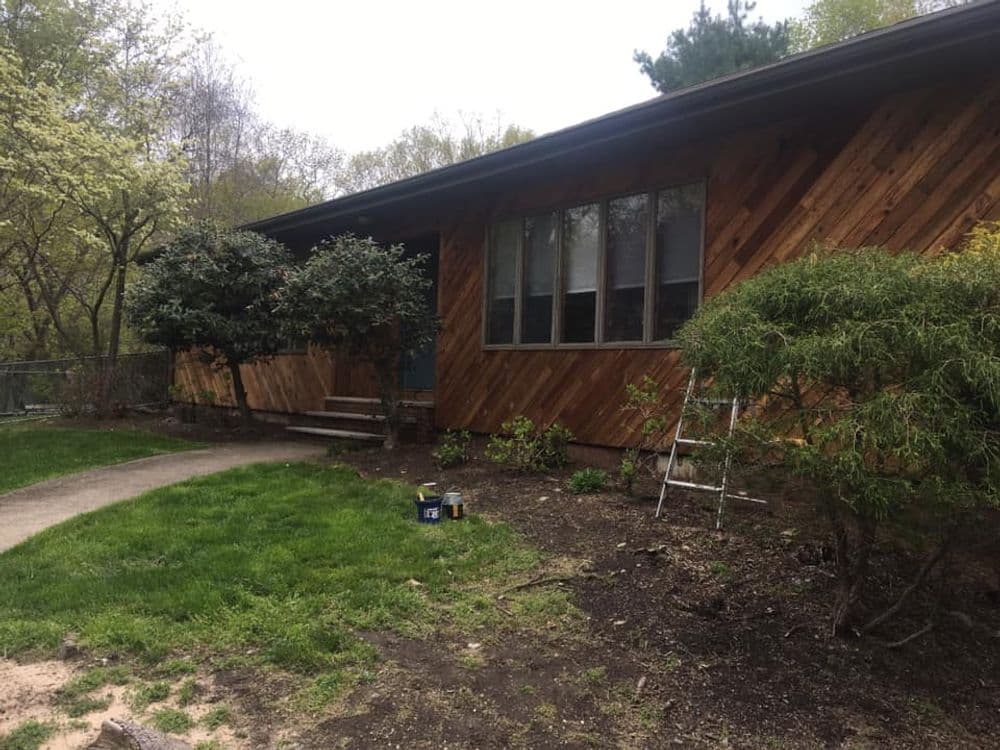
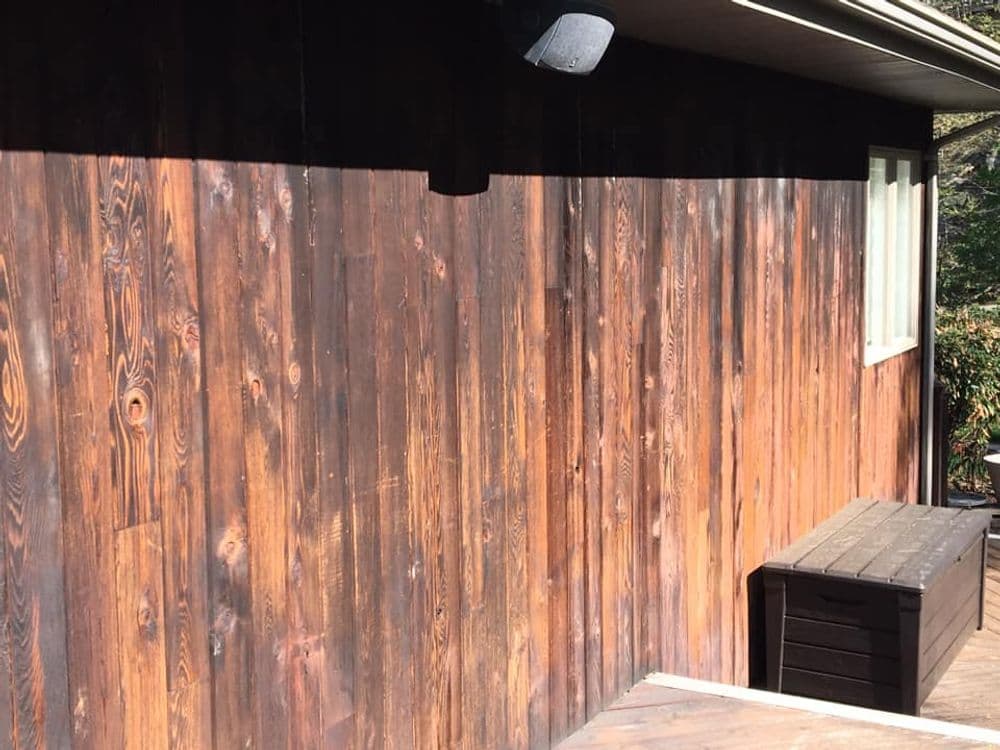
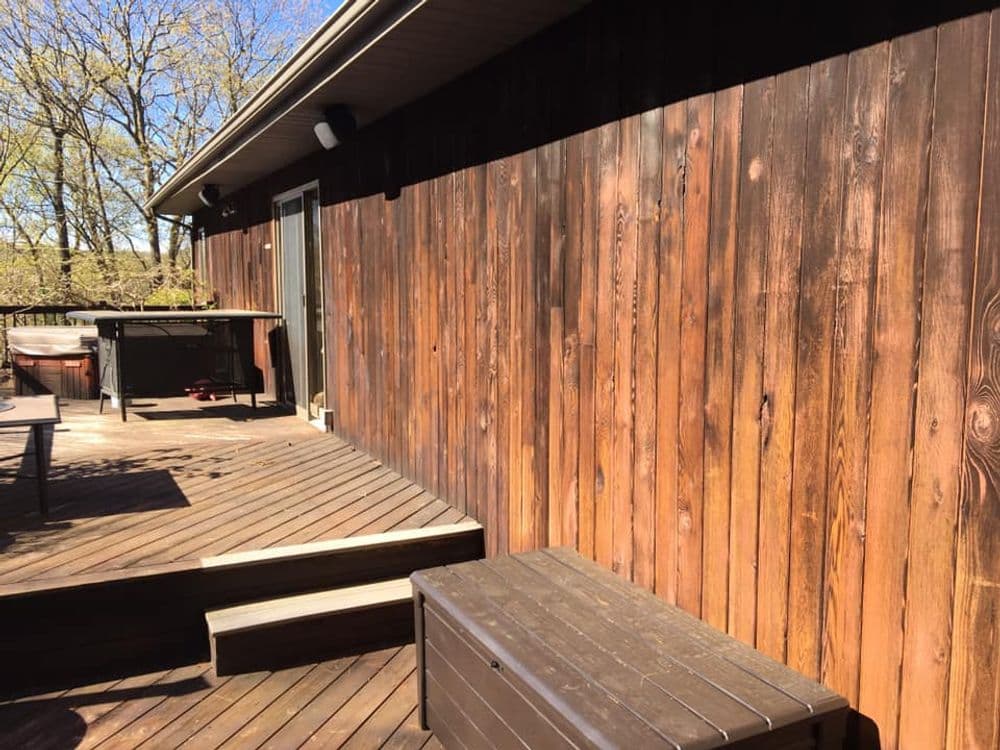
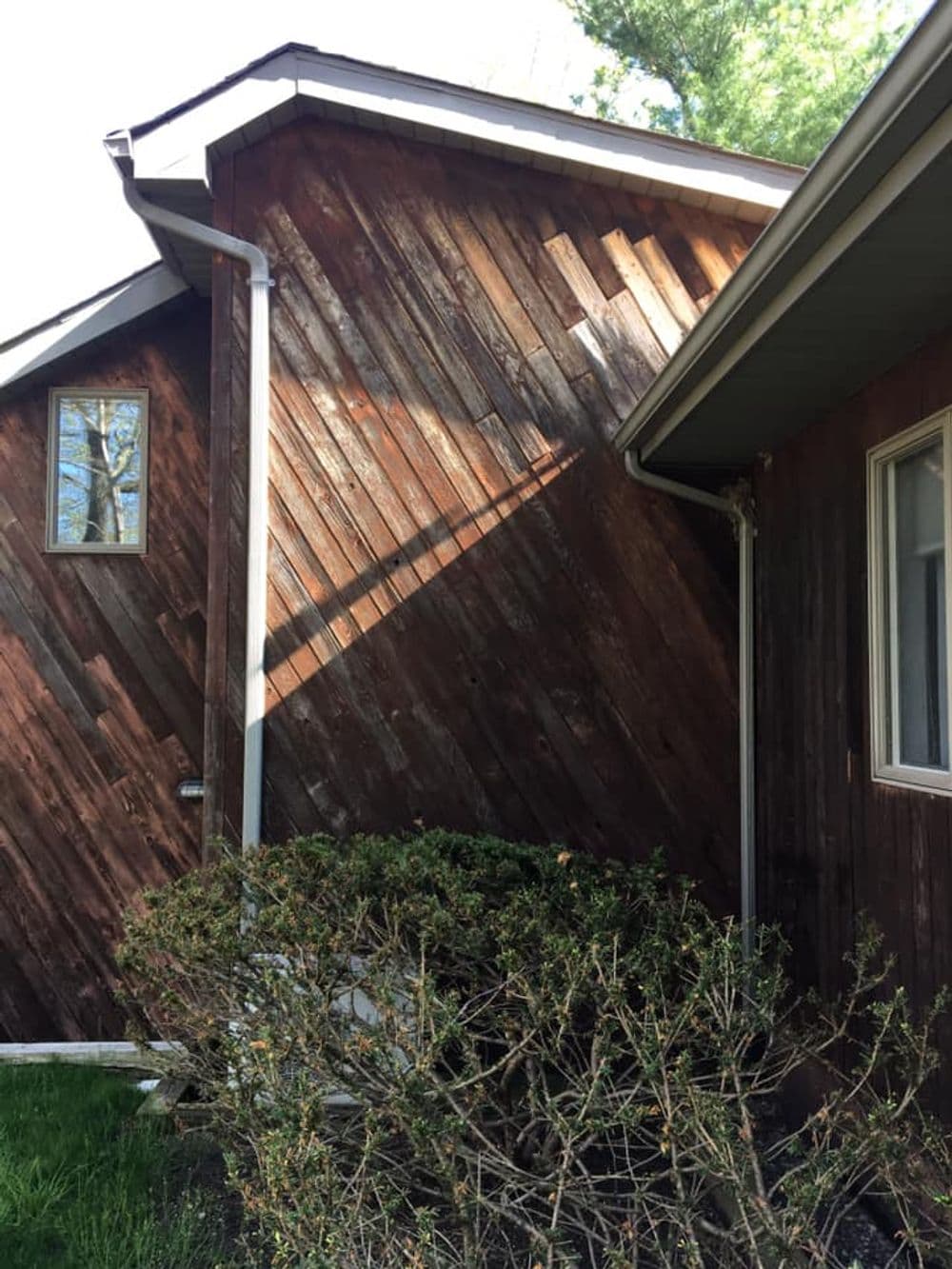
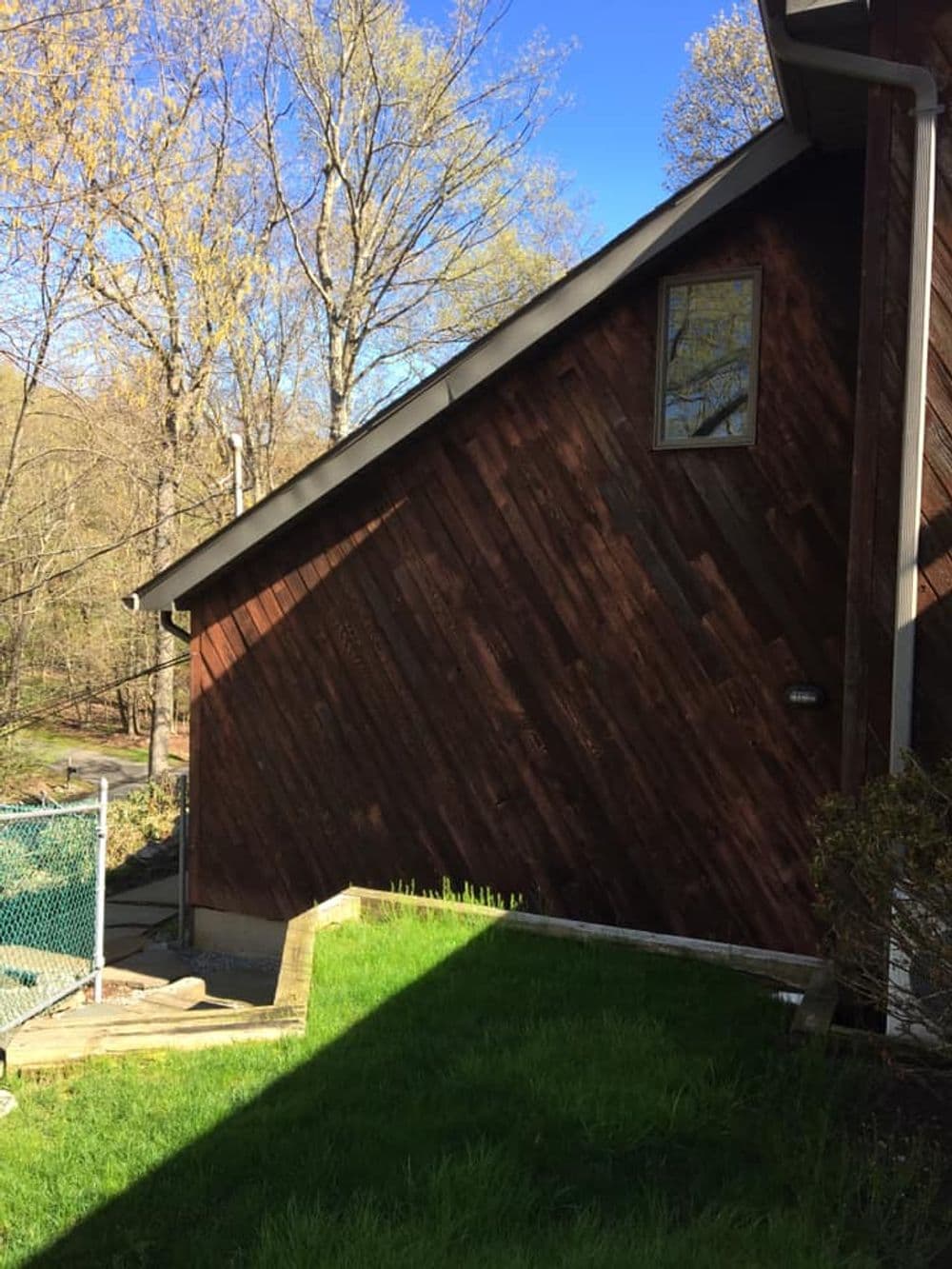
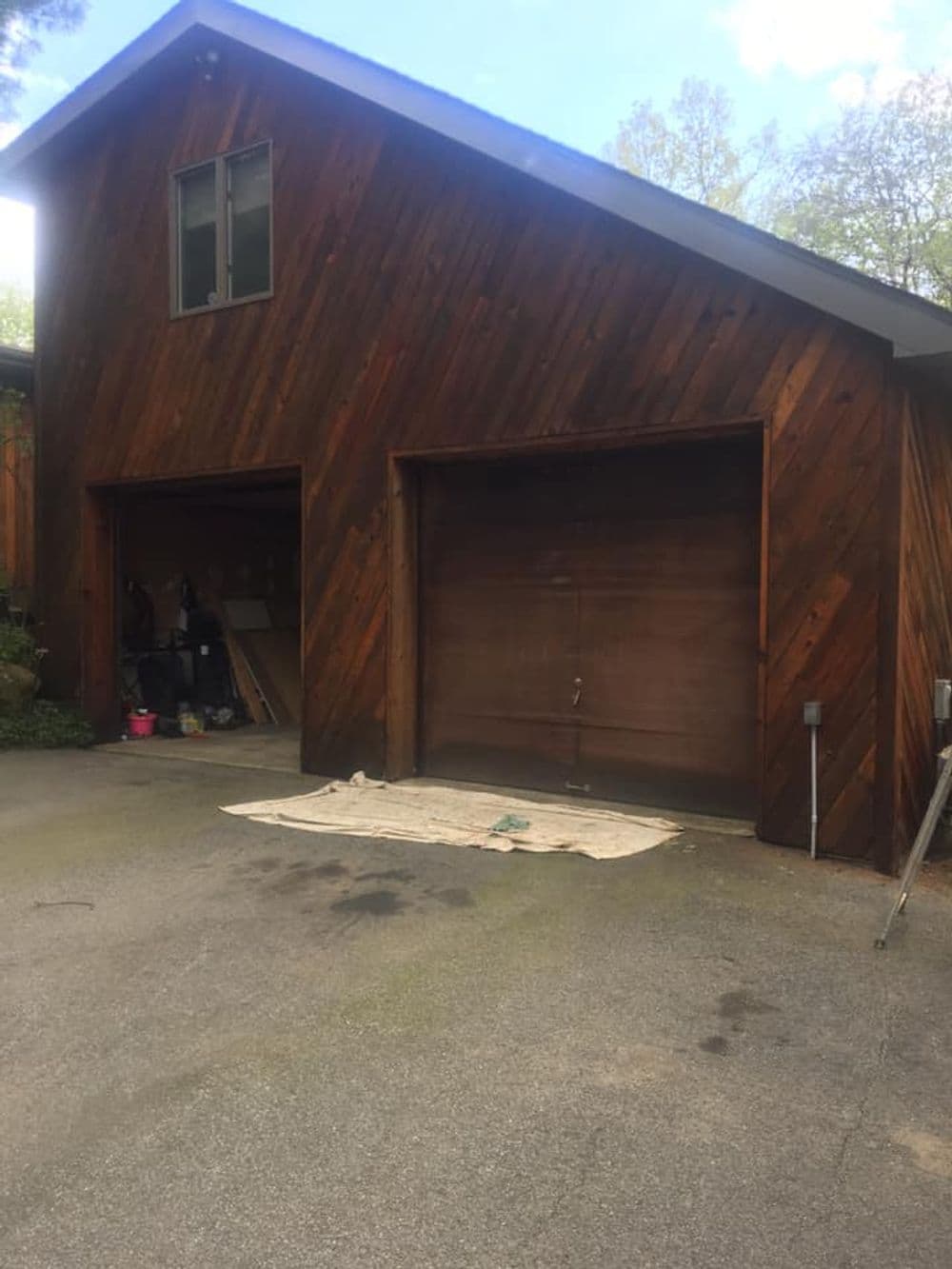
Cedar siding is one of those things that looks incredible when it's maintained - and looks rough when it's not. This home in Ringwood, NJ had cedar covering the entire exterior, including the detached garage, and years of weathering had taken it from its natural warm tone down to a flat, washed-out gray. The wood wasn't gone - it just needed the right process to bring it back.
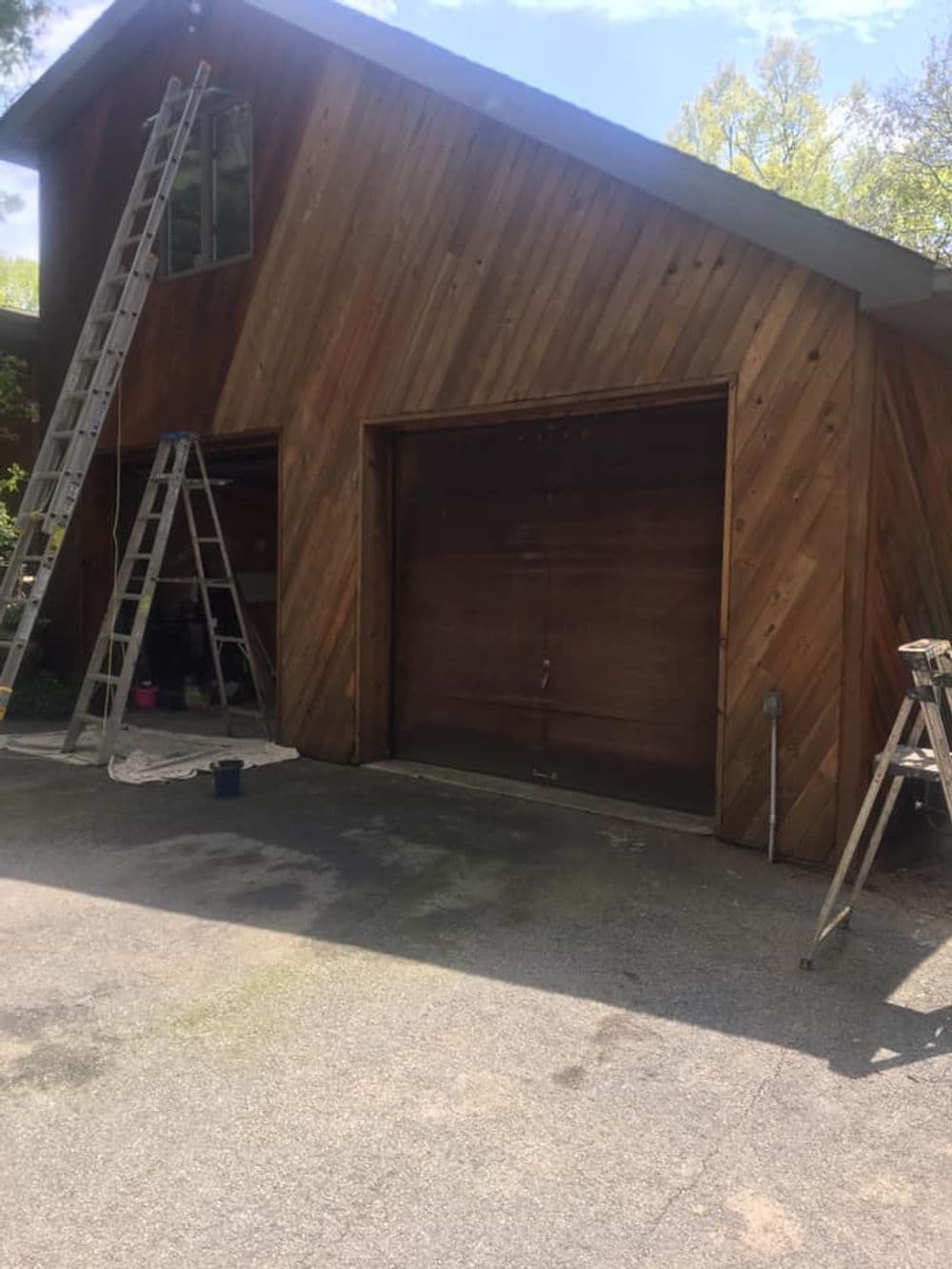
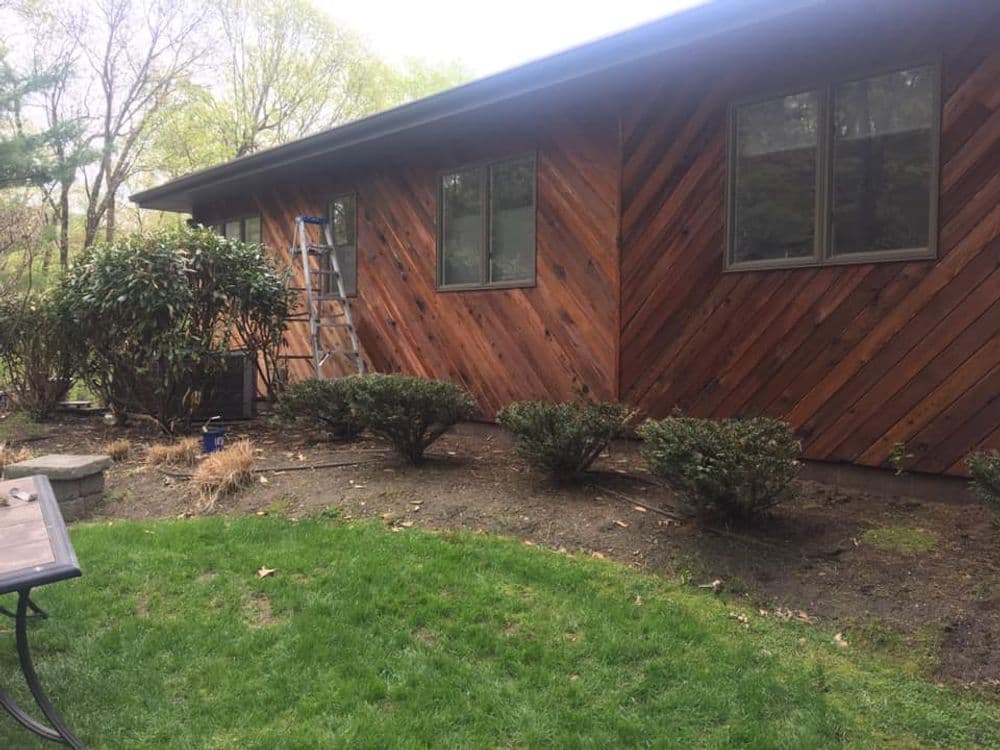
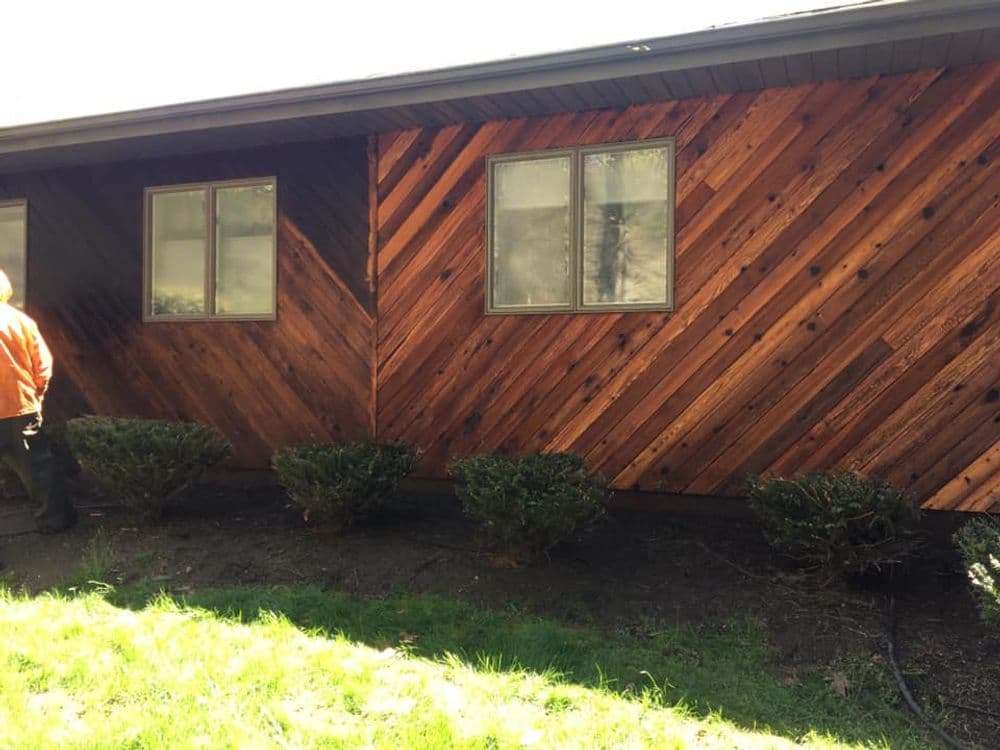
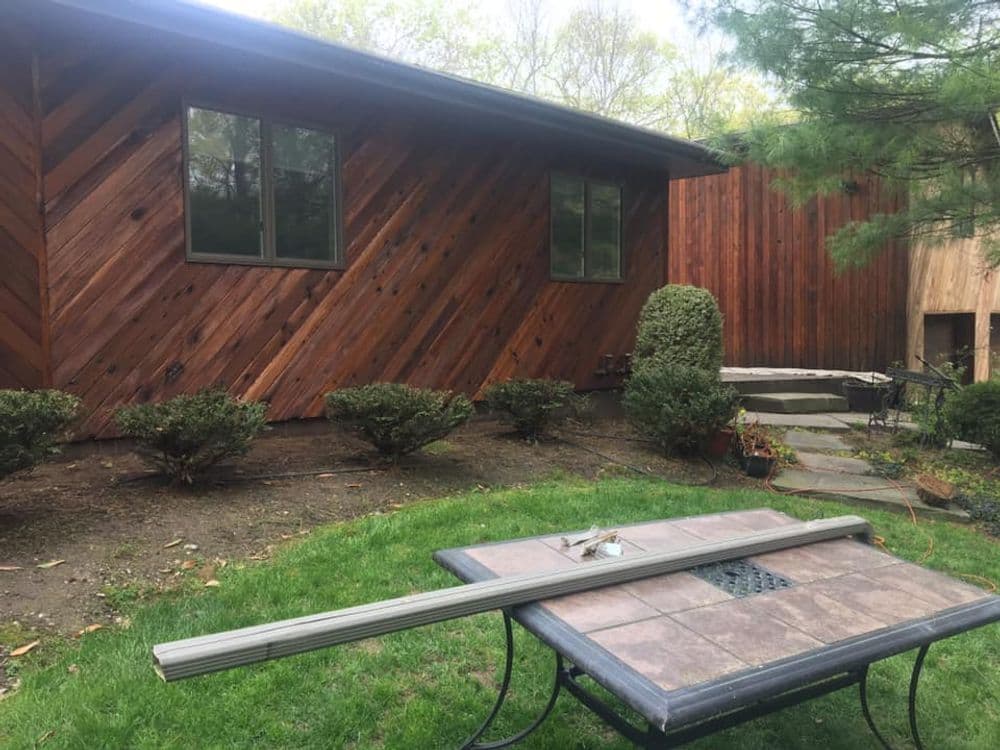
Here's what most people get wrong about staining cedar: they skip the prep. They slap stain over dirty, grayed-out wood and wonder why it peels, blotches, or fades fast. We don't work that way. Before a single drop of stain went on this house, we cleaned and prepped the entire surface - every board, every angle. The diagonal siding pattern wraps around multiple elevations, so there was a lot of ground to cover. But prep is what creates the finish. No shortcuts.
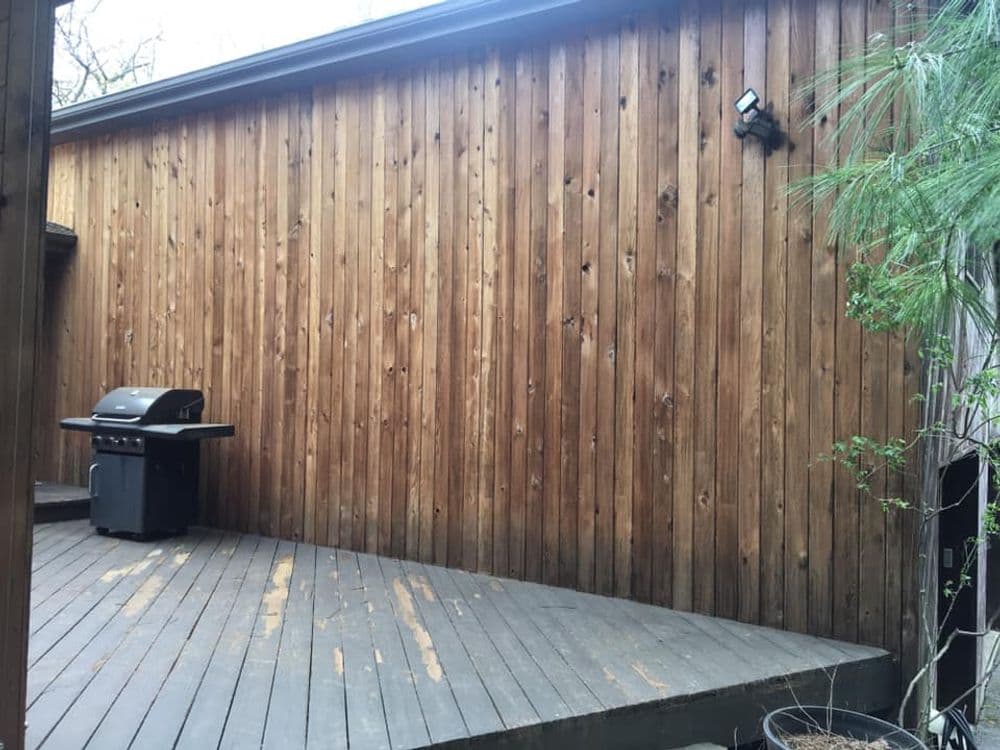
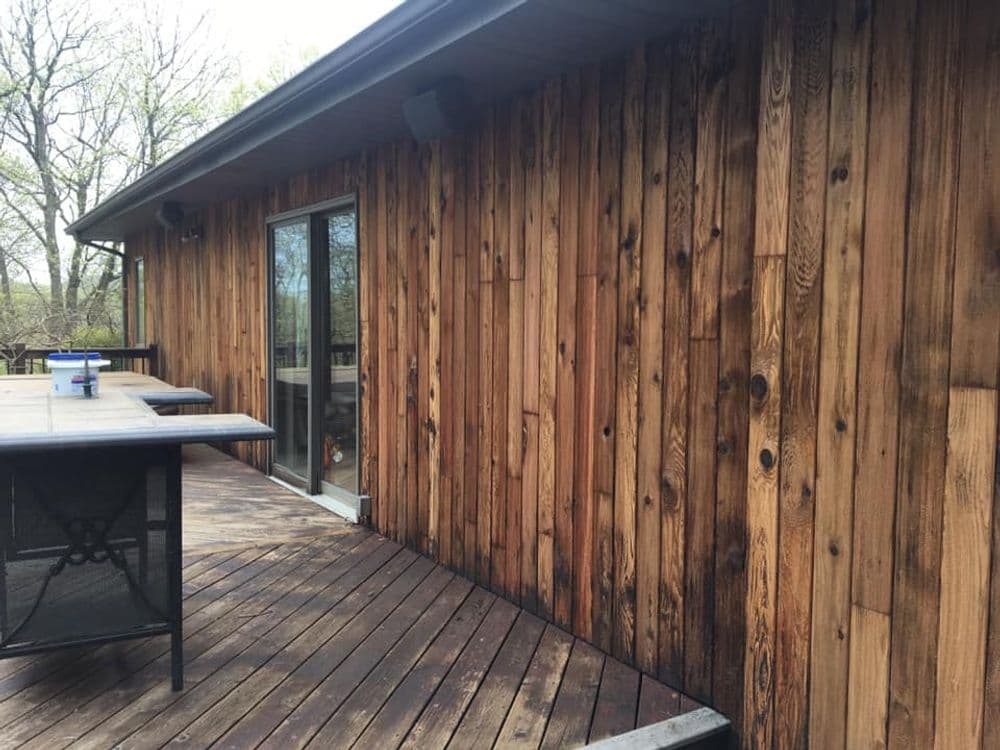
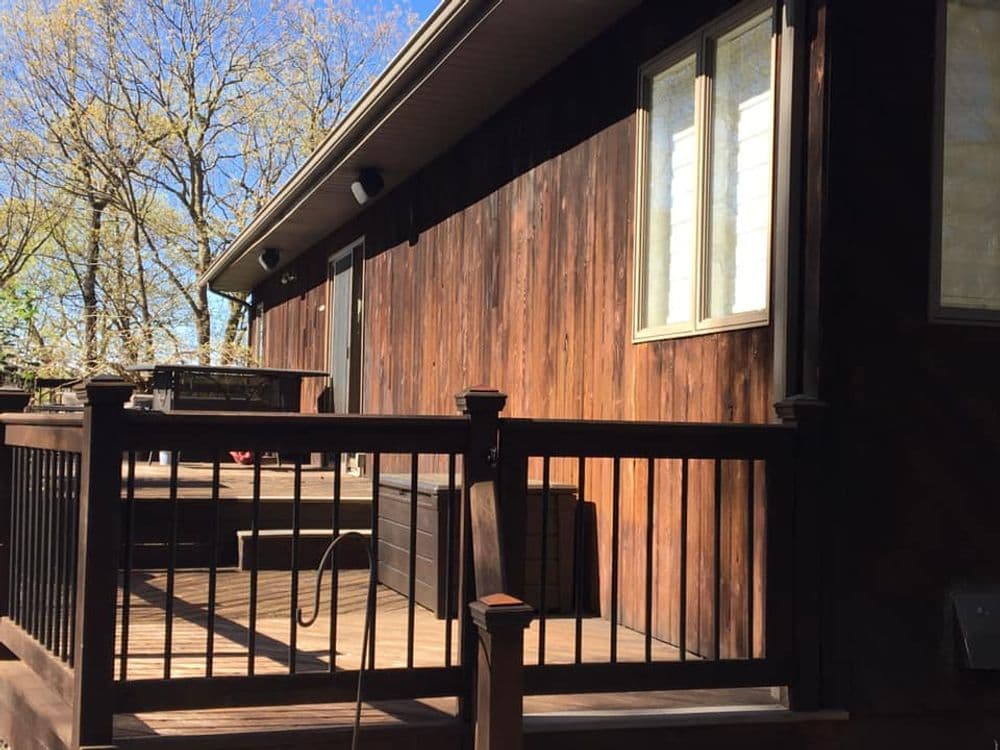
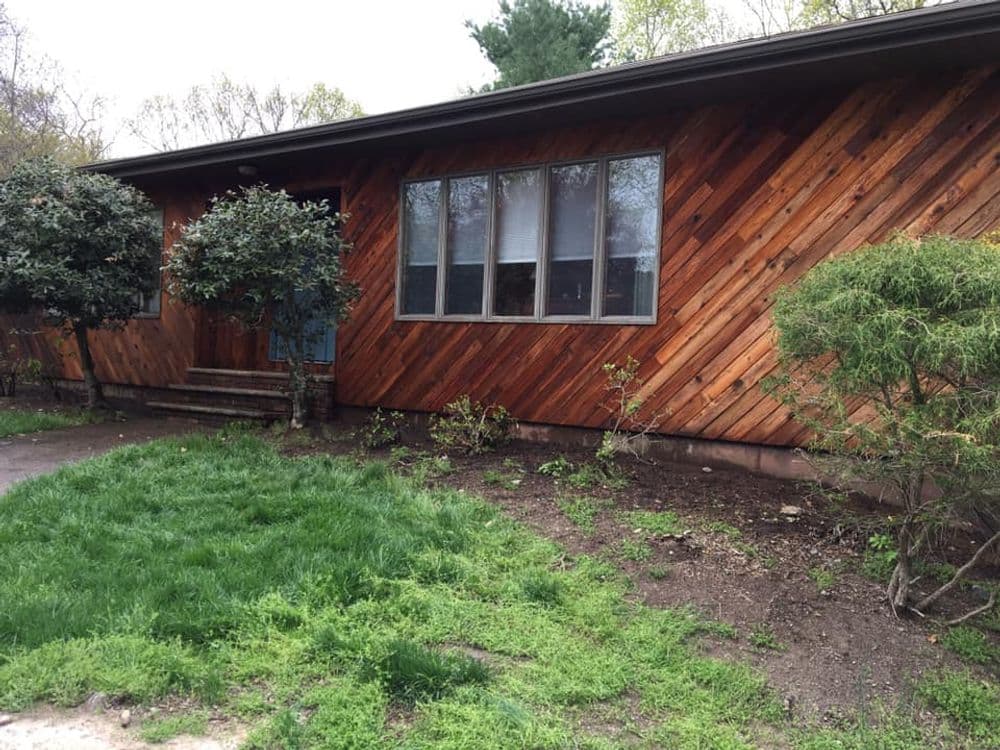
Once the wood was ready, the stain absorbed evenly and pulled out the natural grain. Cedar has a lot of character in it - knots, variation, texture - and a good stain job lets that show rather than hiding it. The finished color is a rich, deep brown-red tone that works with the wooded setting around the property. The garage, the main house walls, and the sections near the deck all got the same treatment, so everything reads as one cohesive exterior.
Cedar is also worth protecting for practical reasons, not just looks. Unprotected cedar exposed to the kind of moisture and temperature swings we get in northern NJ will start to crack, check, and eventually deteriorate. Staining it properly seals the wood and extends its life significantly. It's one of the better investments you can make on a cedar-sided home.
This was a big job - multiple structures, multiple elevations, and a lot of surface area. But the result speaks for itself. Gray and weathered going in. Rich, stained, and protected coming out. If you have cedar siding in the Ringwood area that's been sitting too long without attention, this is exactly the kind of work we do.